

Individual Therapy for Relationship Crossroads & Ambivalence
Dedicated, confidential guidance when your relationship is in crisis, you are stuck in ambivalence, or your partner refuses to attend therapy.
Starting without your partnerPractical Clarity for Complex Decisions

Getting off the exhausting fence between "Can I live like this for another ten years?" and "What happens to the children if I walk away?"
Unpacking Ambivalence

Changing Your Half of the Dance
A relationship is an interconnected system. When you learn your attachment triggers, stop reacting to provocations, and install clean boundaries, the dynamic around you has to shift.
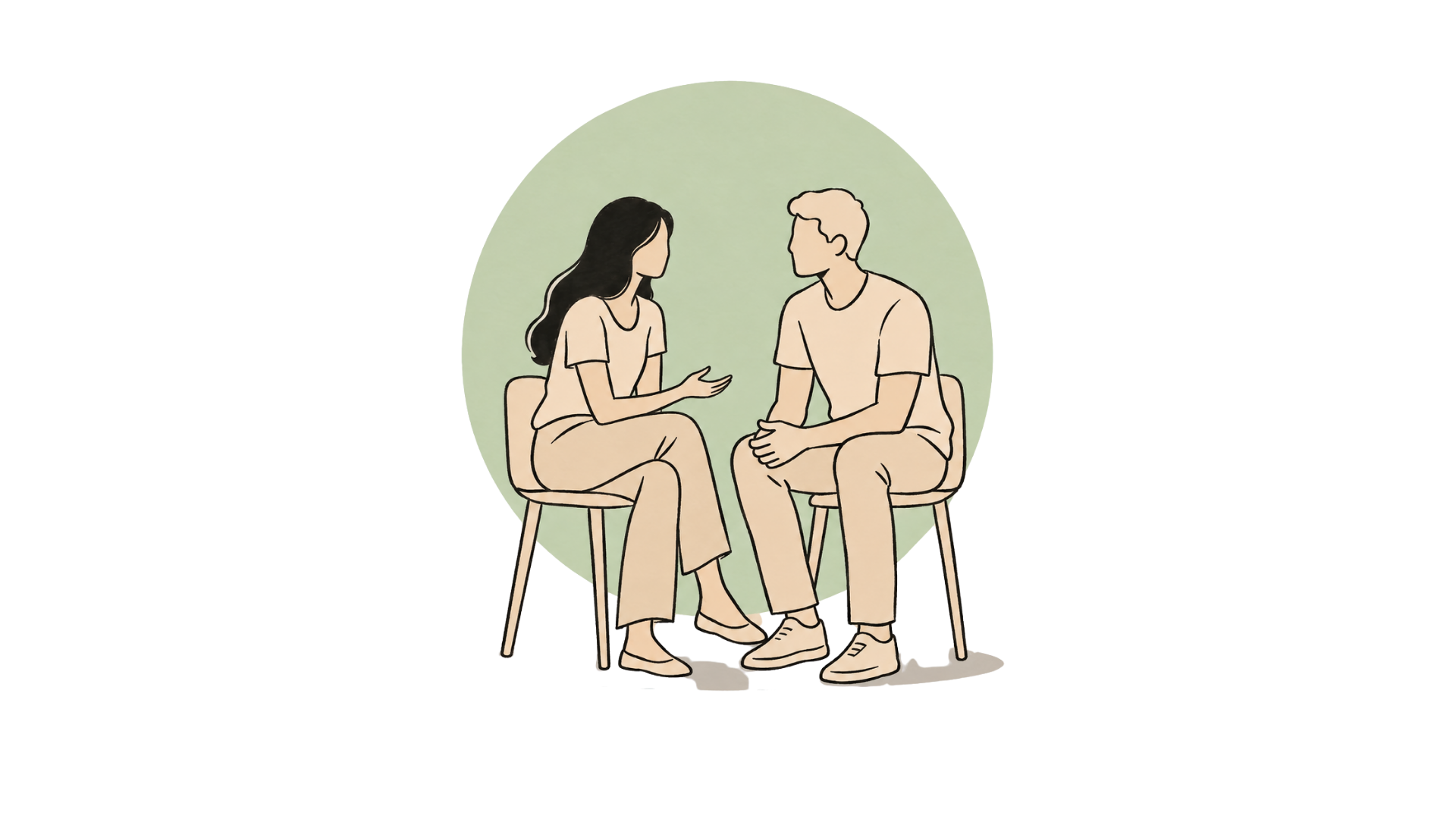
Learning how to invite a defensive partner into constructive dialogue without triggering their walls—or preparing to navigate an amicable separation with calm confidence and self-respect.
Preparing for the Next Step

How individual coaching helpsYou Don't Need Both People in the Room to Change the Dynamic
The Rewiring Love Method helps you shift relational cycles, resolve ambivalence, and reclaim boundaries—even when your partner refuses therapy
What individual clients say about our work:
Got Questions?-
Yes. A relationship functions as an interconnected system; when one partner changes their movements, the entire dynamic is forced to adapt. Individual crossroads therapy helps you understand your attachment triggers, set clear boundaries, and stop reacting to provocations—interrupting chronic conflict without needing both people in the room.
-
No. A therapist who tells you to divorce or stay is overstepping their role. My job is to clear the emotional fog, unpack your fears, and give you the grounded confidence to make your own grounded choice.
-
That frequently happens. We will work on how to invite your partner constructively without issuing ultimatums or triggering their defences, clearing a path for joint work.
-
We focus directly on shifting your communication to invite your partner into constructive dialogue without triggering their defenses, issuing ultimatums, or provoking hostility. Hesitant partners often agree to joint sessions once they realize therapy is structured, non-judgmental, and practical.